
mitraabadimotor Logo mitraabadimotor Contact Us
Contact Us

What Forest Bathing Actually Is (And Why It Works)

It's not about exercise. Forest bathing is mindful immersion in woodland — slowing down, breathing deeply, and letting nature calm your nervous system.

Aoife O'Sullivan, Senior Wellness Writer

Author

Aoife O'Sullivan

Senior Wellness & Nature Writer

Forest therapy guide and wellness writer with 12 years' experience creating nature-based programmes for active retirees across Ireland's woodlands.

Understanding the Practice

Forest bathing — or shinrin-yoku in Japanese — isn't a workout. There's no sweat, no speed, no destination. It's something entirely different. You're walking slowly through a forest, engaging all your senses: the smell of damp earth and pine, the sound of leaves rustling, the feel of air on your skin. You're not trying to achieve anything. You're just being present.

The practice emerged in Japan in the 1980s as a response to urban stress. Scientists noticed that people who spent time in forests had lower cortisol levels, reduced blood pressure, and improved immune function. It wasn't magic. It was physiology. When you slow down in a natural environment, your nervous system shifts from fight-or-flight mode into rest-and-digest mode. Your body actually heals.

What makes this different from a regular walk? Intention. Purpose. You're not hiking to a destination or counting steps. You're immersed. Breathing. Noticing. Some people spend two hours in a forest and walk less than a mile. That's the idea.
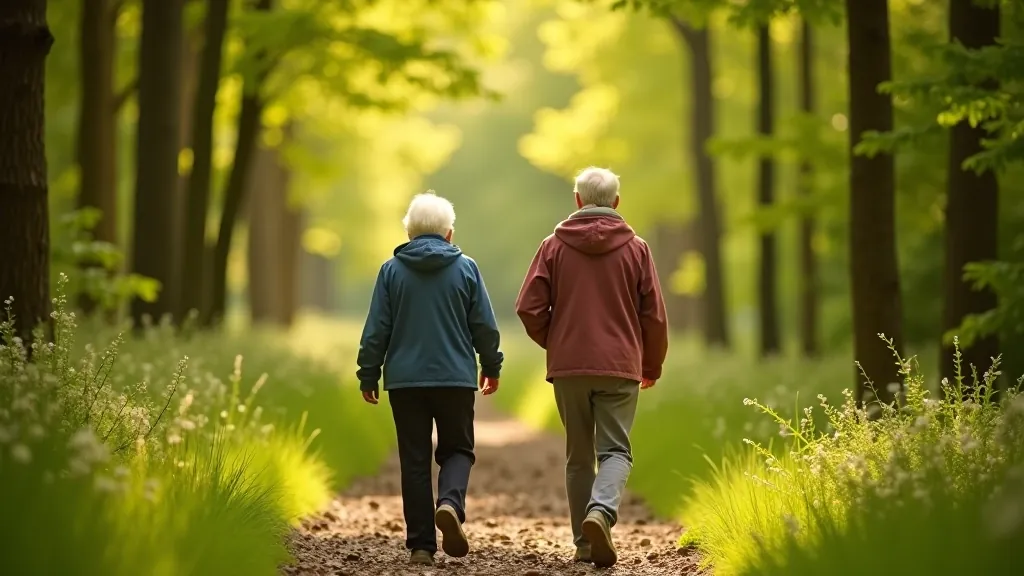
Senior couple walking peacefully on a quiet woodland trail surrounded by dense trees and natural greenery
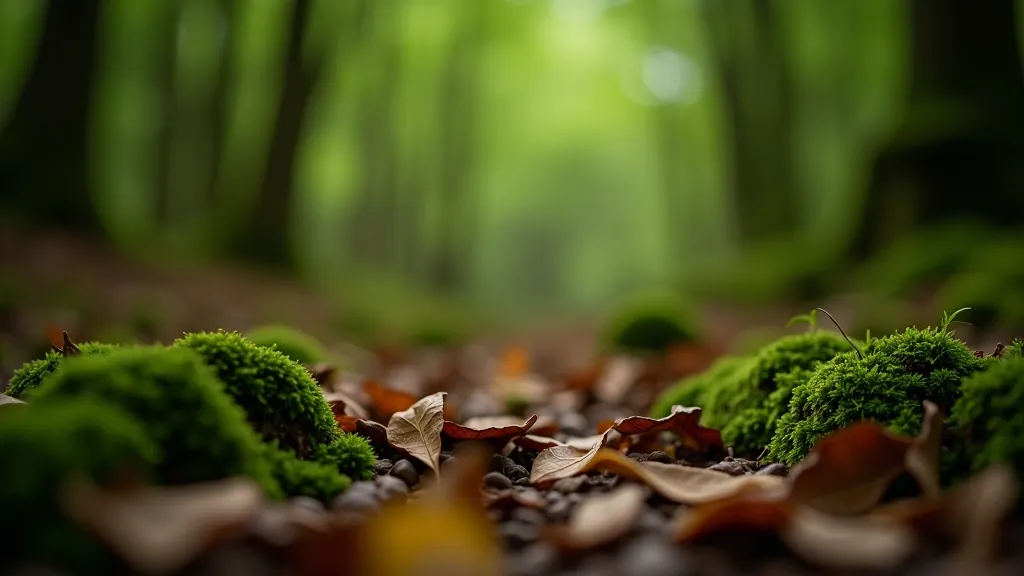
Close-up of forest floor with moss-covered rocks and fallen leaves in soft natural light

Why It Actually Works

The benefits are measurable and real. Studies show that after just 20 minutes in a forest, people experience decreased stress hormones. After 30 minutes, immune function improves. Regular forest bathing — we're talking 2-3 times per week — can help manage anxiety, lower blood pressure, and improve sleep quality. You're not just feeling better. Your body's chemistry is changing.

There's also something psychological happening. When you're surrounded by natural beauty and complexity, your mind quiets down. That constant internal chatter — the worry about emails, appointments, what you should be doing — it fades. You're not thinking about the past or future. You're here, now, watching light filter through leaves.

The Science: Japanese research found that forest exposure increases natural killer cells — immune cells that fight disease — for up to 30 days after a single forest bathing session. Your body keeps the benefit long after you've left the woods.

How to Actually Do It

You don't need special equipment or training. Here's what works: Find a forest or woodland. It doesn't have to be remote — even a local wood works. Leave your phone on silent or in your pocket. You're not documenting this. You're experiencing it.

Walk slowly. Really slowly. Let your eyes wander instead of focusing on a path. Notice the colors — how many shades of green are there? Listen for individual sounds: a bird, wind, water. Feel the temperature change. Stop when something catches your attention. Sit for a few minutes if you want. There's no timeline.

Breathe deliberately. Not deep breathing exercises — just conscious breathing. In through your nose, out through your mouth. Notice how the air smells different in the forest. That smell? It's phytoncides, compounds released by trees. Your body recognizes them as calming signals.

1

Arrive without agenda. You're not hiking to a summit or covering distance. You're here to be present.

2

Slow your pace dramatically. Walk at a quarter of your normal speed. Stop frequently. Sit when you want.

3

Engage your senses intentionally. Notice smells, sounds, textures, colors. Don't think about them — just perceive them.

4

Minimize distractions. Phone on silent. Don't photograph or record. You're not creating content — you're creating calm.

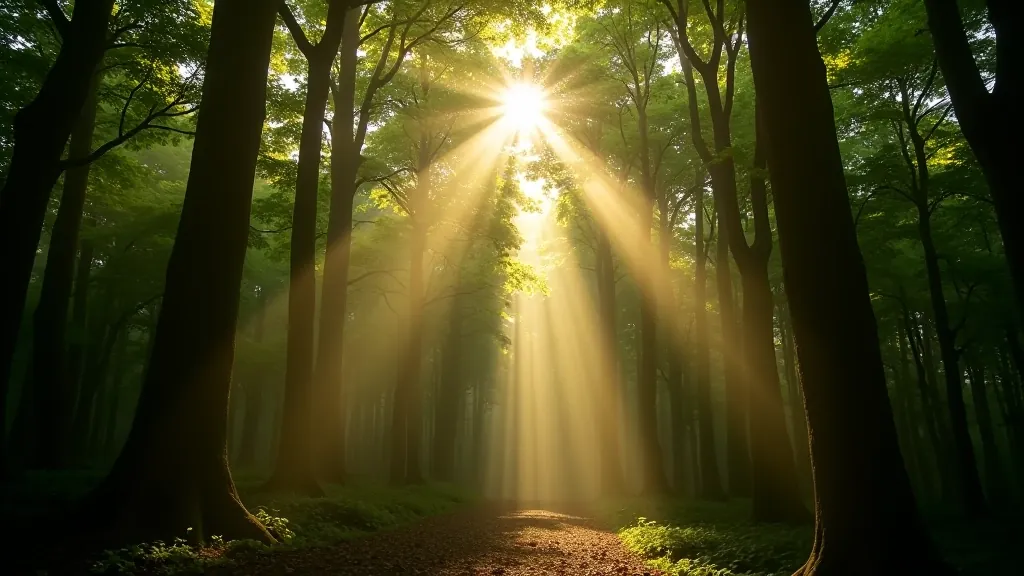
Sunlight streaming through tall trees creating natural pathways of light through the woodland canopy
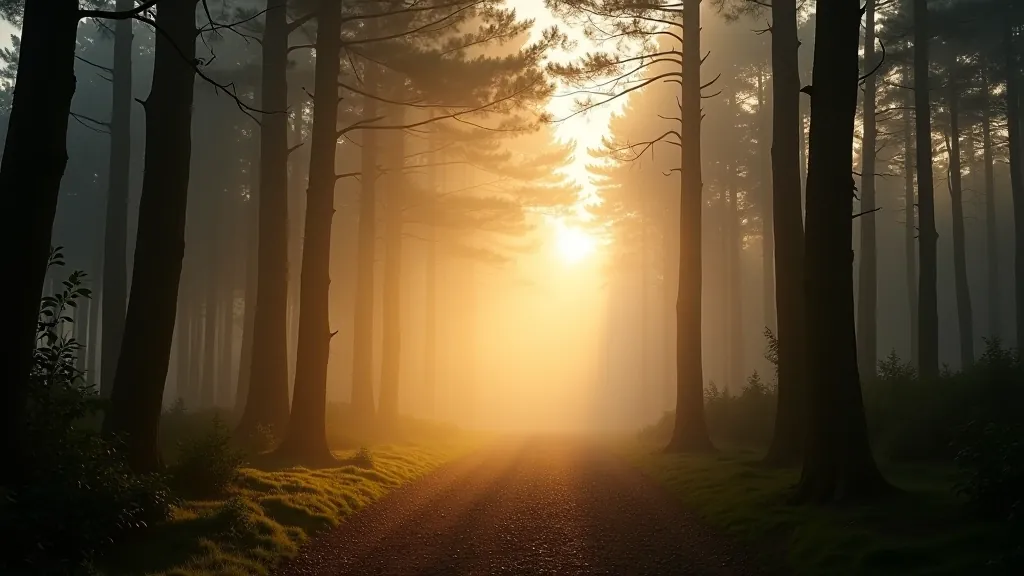
Early morning forest with mist hovering over the ground and soft golden light filtering through the trees

How Long and How Often

Even 20 minutes makes a difference. That's enough time for your nervous system to shift. But longer sessions — 45 minutes to an hour — tend to create deeper benefits. You're not rushing, so don't. If you can stay for two hours, that's ideal. Your mind settles more fully the longer you're there.

How often should you do it? Ideally twice a week, though even once weekly shows measurable health improvements. The Japanese research suggests that regular practice — not occasional visits — is what creates lasting changes. Think of it like exercise for your nervous system. Consistency matters.

The best time is when you can go without pressure. Early morning is ideal — fewer people, cooler air, better light. But honestly, any time works. A lunch-break forest bath beats no forest bath. What matters is that you show up and slow down.

Important Information

Forest bathing is an educational and informational guide based on wellness practices and research. While the practice is widely documented to support relaxation and wellbeing, this article is for educational purposes only and isn't medical advice. If you have health concerns, mobility issues, or any condition that might affect outdoor activity, consult your healthcare provider before starting. Forest environments can be uneven — wear appropriate footwear and be aware of your surroundings. Weather conditions change — check forecasts and dress appropriately. Always tell someone where you're going and when you'll be back.

Why This Matters Right Now

We're overstimulated. Screens, noise, schedules — it's constant. Forest bathing is a direct antidote. It's free. It requires nothing but time and a forest. And it works. Not because it's trendy or because you're doing something special. It works because humans evolved in nature. We're designed to be there. When we slow down and pay attention, our bodies remember.

The practice isn't about escaping the world. It's about reconnecting with it. And then, when you return to your daily life, you're calmer. Clearer. Your nervous system has reset. You're not changed permanently — that takes time — but you're shifted. And that shift, repeated regularly, does change you. It builds resilience. It quiets anxiety. It reminds you what peace actually feels like.

So the question isn't whether forest bathing works. The research says it does. The question is: when are you going to try it? Find a local woodland. Set aside an hour. Slow down. That's all it takes.